Investigating Diverse Types of Skylights for Flat Roofs
Flat roof skylights are available in multiple designs, each delivering distinct advantages for improving natural light and energy efficiency. From fixed alternatives that provide clear views to ventilated models that facilitate air circulation, homeowners have multiple choices. Tubular skylights are perfect for smaller spaces, while custom designs accommodate individual preferences. As innovation continues, solar and impact-resistant skylights provide exciting opportunities. Comprehending these options can substantially impact home design and comfort. What might be the best fit for your needs?
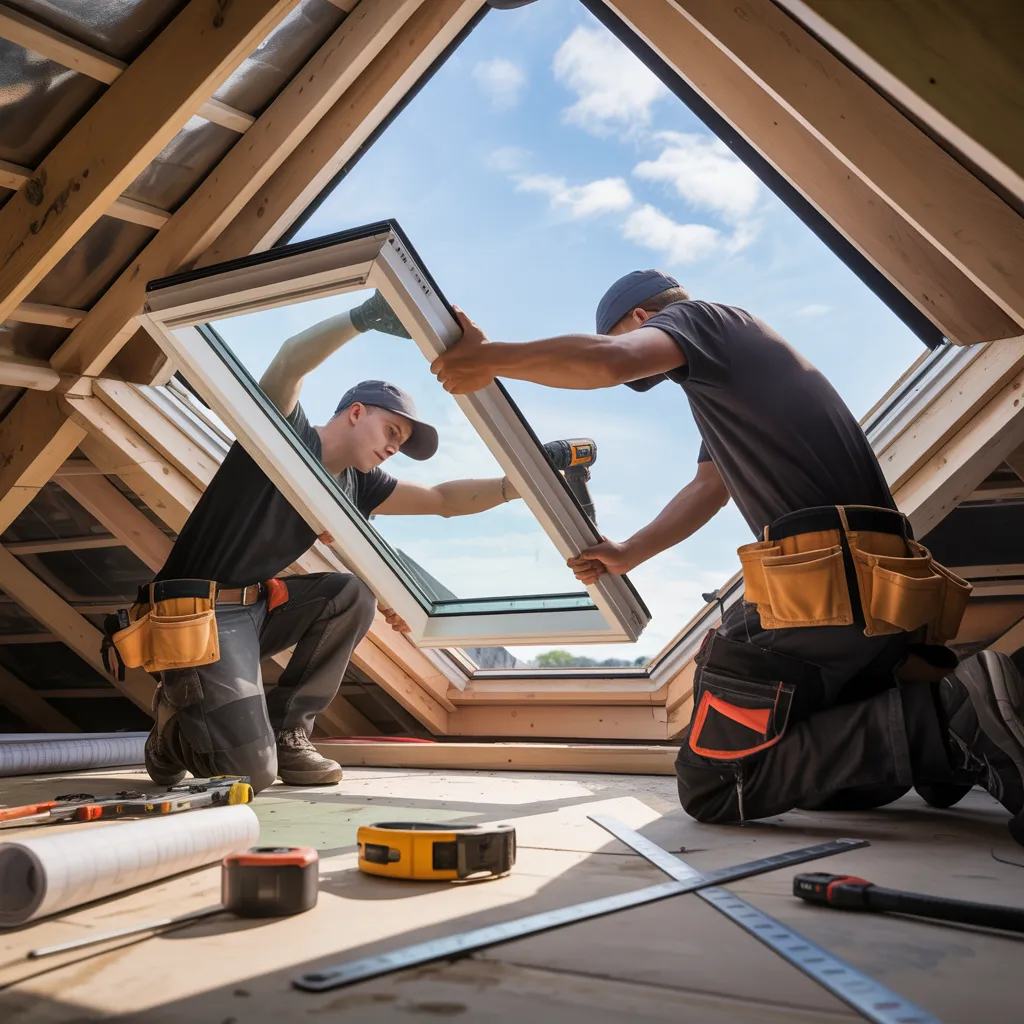
Fixed Skylights
Fixed skylights deliver a seamless way to enhance natural light in spaces with flat roofs. These installations are engineered to deliver a constant influx of sunlight, transforming usually dark areas into well-lit, inviting environments. Typically constructed from durable materials like tempered glass, fixed skylights are framed to withstand various weather conditions while ensuring energy efficiency. Their design allows for unobstructed views of the sky, making them ideal for aesthetic and functional purposes. By integrating fixed skylights into flat roof designs, building owners can enhance the overall ambiance and reduce reliance on artificial lighting. Moreover, these skylights are low-maintenance, requiring minimal upkeep, which further boosts their appeal in modern architecture.
Skylights with Ventilation
Ventilated skylights provide functional benefits beyond just lighting areas with flat roofs; they also promote air circulation, encouraging a healthier indoor environment. These skylights are engineered with operable features that allow fresh air to enter while extracting stale air, consequently minimizing heat buildup and optimizing ventilation. Ideal for rooms such as kitchens, bathrooms, and living spaces, they help to regulate temperature and humidity levels. This can substantially boost comfort and minimize reliance on mechanical ventilation systems. Moreover, ventilated skylights can be fitted with sensors that automatically modify openings depending on temperature and humidity, guaranteeing ideal airflow. By implementing these systems, homeowners can attain a balance of natural light and air quality, making them an attractive option for flat roof designs.
Tubular Skylights
Tubular skylights provide many benefits, including better energy performance and amplified natural illumination in interior spaces. Grasping the installation process is essential for homeowners contemplating this option, as it varies from traditional skylights. Furthermore, proper maintenance and care can greatly extend the lifespan and functionality of tubular skylights.
Benefits of Tubular Skylights
A favored option among builders and homeowners, tubular skylights provide numerous positive aspects that improve both functionality and aesthetics in flat roof designs. These skylights effectively gather natural sunlight, illuminating interior spaces without the substantial structural modifications necessary by traditional skylights. Their streamlined design enables installation in limited spaces, making them appropriate for diverse applications, including bathrooms and hallways. Additionally, tubular skylights are energy-efficient, reducing reliance on artificial lighting and contributing to lower energy bills. They are also designed to reduce heat loss and eliminate water leakage, delivering durability and longevity. With their capacity to upgrade indoor environments with natural light, tubular skylights offer an compelling solution for optimizing brightness in flat-roofed structures.
Installation Procedure Overview
Although installing tubular skylights may seem daunting, the process can be straightforward with the right tools and preparation. First, it is essential to select an appropriate location on the flat roof that maximizes sunlight exposure while preventing obstructions. The installer must then create an opening in the roof, ensuring it aligns with the selected location. After this, the tubular skylight system, which includes a dome, reflective tube, and ceiling fixture, should be carefully assembled. Adequate sealing around the edges is vital to avoid leaks. Finally, the interior fixture should be installed to diffuse the light into the space below. With meticulous care and compliance with manufacturer guidelines, the installation can be finished successfully.
Essential Maintenance and Care Information
Regular maintenance is essential to ensure tubular skylights operate effectively and enrich indoor spaces with natural light. Homeowners should consistently inspect the skylights for any traces of damage, such as cracks or leaks. Cleaning find out about this the dome or lens with a mild, non-abrasive cleaner helps keep optimal light transmission. Additionally, verifying the seals and flashing for wear can stop potential water intrusion. It is advisable to clear any debris from the surrounding area to provide proper drainage. For those with integrated ventilation systems, regular checks of the mechanism confirm it operates smoothly. Planning professional inspections every few years can help uncover hidden issues, making certain tubular skylights remain a valuable asset to any flat roof home.
Skylight Lanterns
Lantern roof lights deliver a unique design element that improves the aesthetics of flat roofs while providing generous natural light. Apart from their visual appeal, these structures also contribute to energy efficiency by minimizing the need for artificial lighting. However, installation considerations must be carefully assessed to secure maximum performance and durability.
Design and Style
Although they serve a functional purpose, lantern skylights also augment the overall design and aesthetics of flat roofs. Their striking shape and height create a compelling visual focal point, leading the eye upward and adding architectural distinction. Often built from glass and framed with sleek materials, lantern skylights can seamlessly blend with modern designs or complement traditional structures. They present an opportunity for customization, empowering homeowners to select styles and finishes that reflect their personal taste. Also, their arrangement can impact the overall character of a building, whether it exudes sophistication or contemporary flair. Ultimately, lantern skylights provide considerable enhancement to the visual appeal of flat roofs, making them a favored choice in architectural design.

Benefits of Energy Efficiency
When integrated into flat roofs, lantern skylights can substantially boost energy efficiency by optimizing natural light while minimizing heat loss. These skylights allow abundant daylight to penetrate deep into a building, reducing the reliance on artificial lighting and therefore lowering energy consumption. The design often includes insulated glazing, which serves to maintain indoor temperatures, additionally decreasing heating and cooling costs. Additionally, the strategic placement of lantern skylights can promote natural ventilation, improving air circulation and improving indoor air quality. By utilizing solar energy, these skylights can support a more sustainable living environment. In conclusion, the combination of natural illumination and superior insulation positions lantern skylights into an effective solution for energy efficiency in flat-roofed structures.
Installation Requirements
Appropriate installation of lantern skylights necessitates meticulous planning and attention to detail to secure optimal performance and longevity. To begin, it is crucial to assess the structural integrity of the flat roof to verify it can support the added weight. Appropriate waterproofing techniques must be implemented to prevent leaks, including flashing and sealants designed for flat roofs. Moreover, positioning the skylight to maximize natural light while considering potential obstructions is critical. Sufficient insulation around the skylight frame will boost energy efficiency and prevent condensation. Finally, hiring qualified professionals for installation is recommended, as they can navigate local building codes and confirm compliance with safety standards. Following these considerations will optimize the functionality and durability of lantern skylights.
Bespoke Skylights
Customized skylights give homeowners a unique opportunity to elevate their living spaces with natural light while also representing their personal style. These skylights can be adapted to fit exact dimensions, designs, and aesthetic preferences, making them an ideal choice for multiple architectural styles. Homeowners can opt for a range of materials, including glass and acrylic, to obtain the desired look and functionality. Customization options include shapes, such as rectangular, circular, or even more intricate designs, permitting creative expression. Additionally, custom skylights can include elements like operable vents for ventilation or specialized coatings for energy efficiency. By investing in custom skylights, homeowners can develop a distinctive atmosphere that elevates their interiors and optimizes natural illumination.
Solar-Powered Skylights
Solar skylights constitute an innovative solution for homeowners looking to capture natural light while also incorporating renewable energy into their living spaces. These skylights not only allow sunlight to illuminate interior spaces but also integrate solar panels that can generate electricity. Commonly installed on flat roofs, solar skylights can greatly reduce energy bills by converting sunlight into usable power. They are available in various designs, accommodating different aesthetic preferences while maximizing functionality. Furthermore, many models feature energy-efficient glazing that enhances insulation, contributing to overall home comfort. By utilizing solar skylights, homeowners can experience the dual benefits of natural light and sustainable energy, making them a popular choice in modern residential architecture.
Impact-Resistant Skylights
Homeowners in search of durability and protection for their flat roofs commonly opt for impact-resistant skylights. Constructed to handle harsh weather conditions, these skylights are typically constructed from reinforced materials, such as laminated glass or durable polycarbonate, which provide improved strength against high winds, hail, and debris. This durable design not only prevents shattering but also lessens the risk of leaks, providing long-term reliability. Additionally, impact-resistant skylights can enhance energy efficiency by minimizing heat transfer and UV exposure, therefore protecting interior spaces from damage. Coming in various styles and sizes, they can effortlessly fit into the architectural design of a home. By opting for impact-resistant skylights, homeowners can enhance both the safety and aesthetic appeal of their flat roofs.
Frequently Asked Questions
How Do Skylights Affect Energy Efficiency in Flat Roofs?
Skylights increase energy efficiency in flat roofs by allowing natural light to lower the need for artificial lighting. When properly installed, they can also boost ventilation, helping regulating indoor temperatures and potentially lowering heating and cooling costs.
How Much Maintenance Is Needed for Different Skylight Types?
Standard maintenance of skylights includes cleaning glass surfaces, reviewing seals for moisture penetration, looking for debris accumulation, and guaranteeing proper drainage. Various models may demand specific care, but routine upkeep is essential for longevity and efficiency.
Are Skylights Appropriate for All Climates?
Skylights aren't ideal for every climate condition. In regions experiencing severe weather or significant rainfall, they might need additional insulation or specialized materials to avoid leaks and maintain energy efficiency, impacting their overall effectiveness and durability.
Are Skylights Able to Be Installed on Existing Flat Roofs?
It is possible to install skylights on existing flat roofs. Nevertheless, meticulous attention to structural integrity, water drainage, and proper sealing is crucial to maintain functionality and stop leaks or damage to the underlying roof structure.
How Long Does a Skylight Usually Last?
The expected lifespan of a skylight usually ranges from 10 to 20 years, contingent upon factors such as quality of materials used, installation, upkeep, and environmental conditions. Routine inspections can help enhance its longevity substantially.